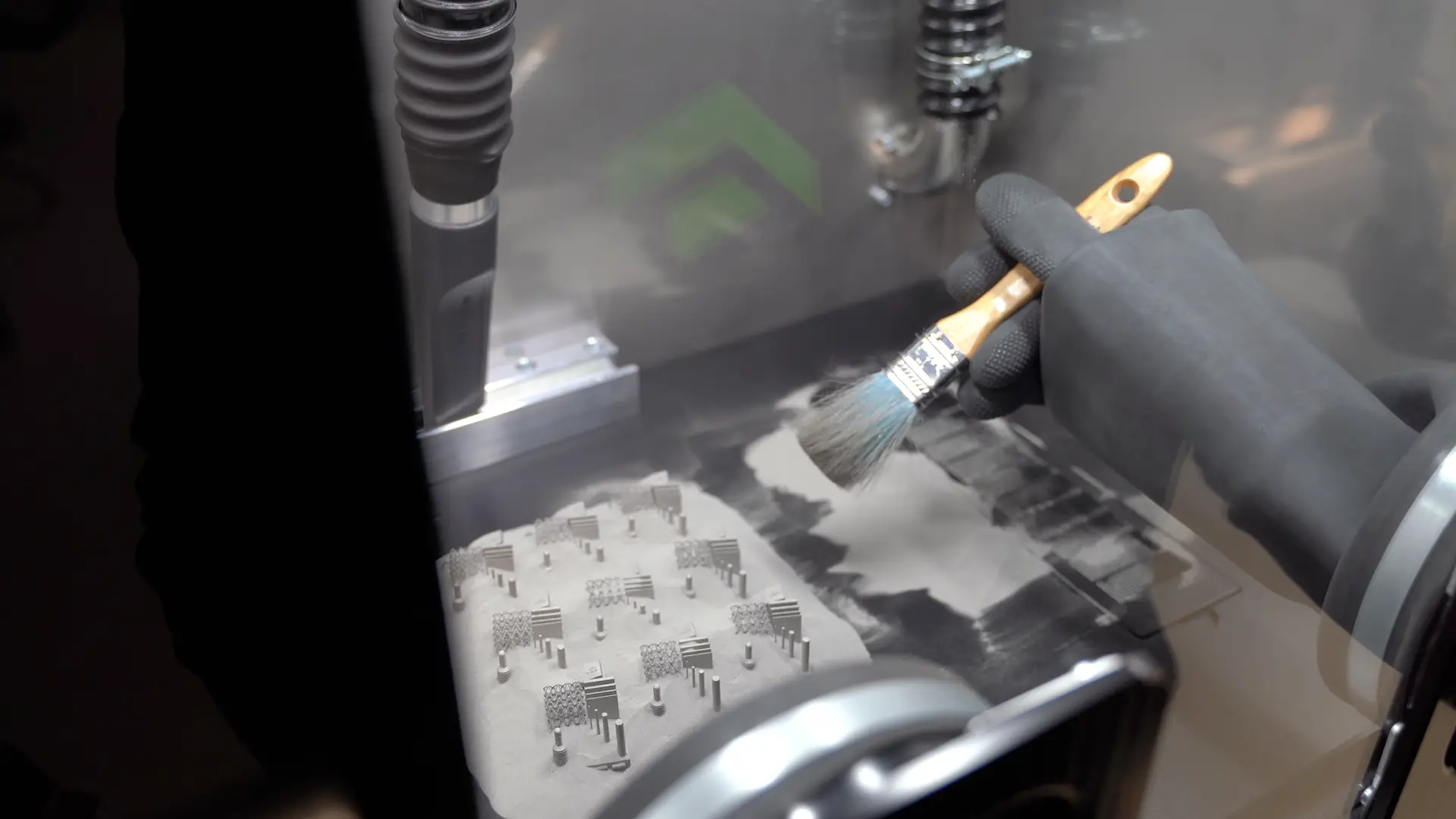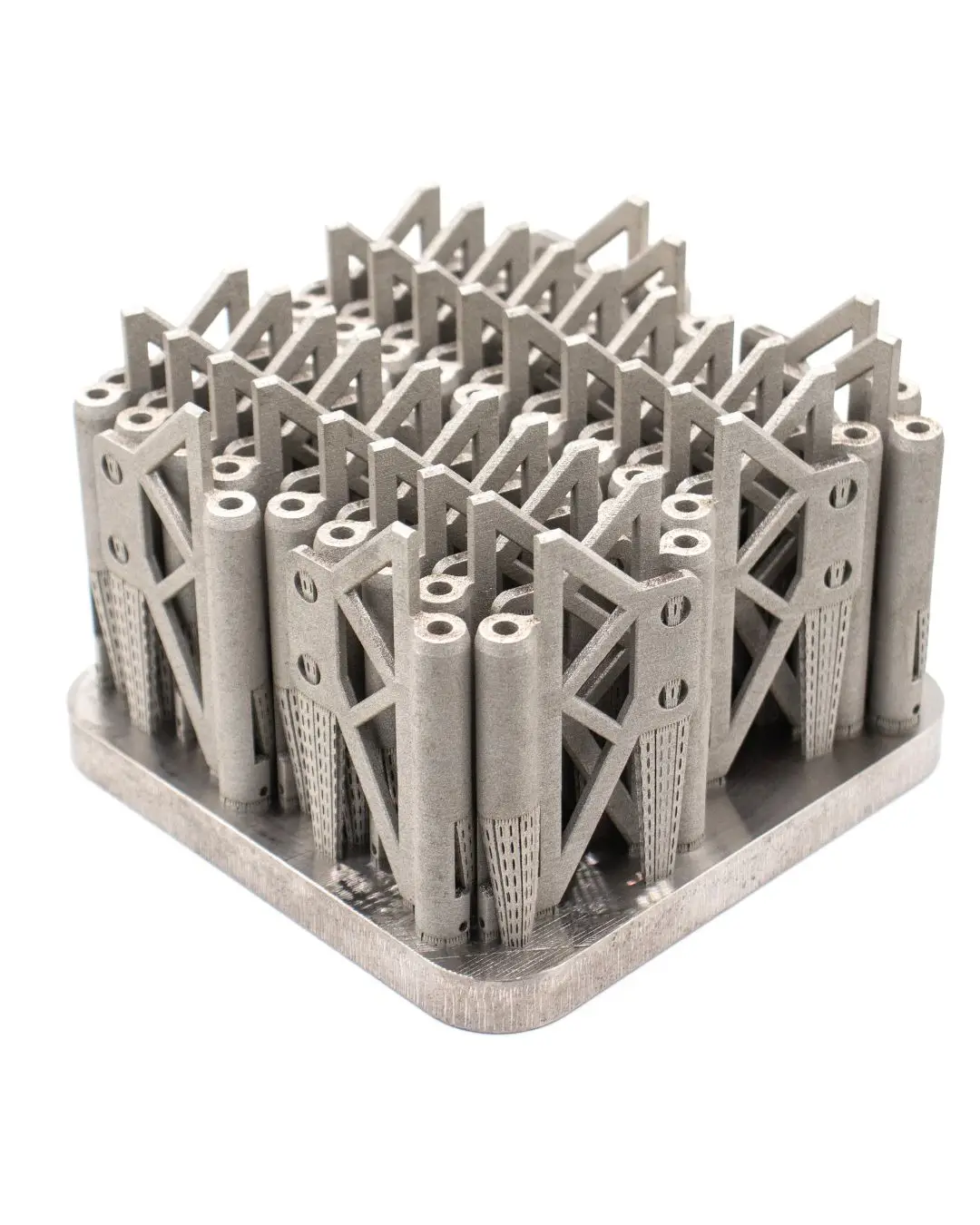
Metal additive manufacturing has become a breakthrough technology for medical implants, enabling unprecedented levels of customization, precision, and biocompatibility. As healthcare providers increasingly adopt 3D-printed titanium implants, the industry is experiencing great improvements in treatment outcomes, patient recovery, and production efficiency.
Why Metal 3D Printing Is Ideal for Medical Implants
1. Patient-Specific Titanium Implants
Custom implants tailored to each patient’s anatomy allow for better fit, higher stability, and reduced surgical time. This is particularly valuable for trauma cases, deformities, and revision surgeries.
2. Complex Porous Geometries for Osseointegration
Metal 3D printing enables internal lattice structures that support bone ingrowth, a key advantage over traditionally machined implants.
3. Cost-Efficient and Fast Production
Because additive manufacturing requires no tooling, even low-volume or one-off medical implants become commercially viable.
4. High-Performance Biocompatible Materials
Most implants in the medical field are printed from Ti6Al4V titanium alloy (3.7165): lightweight, strong, corrosion-resistant, and highly biocompatible.
Real-World Examples of 3D-Printed Medical Implants
3D-Printed Titanium Hip Cup: Restoring Hip Joint Function
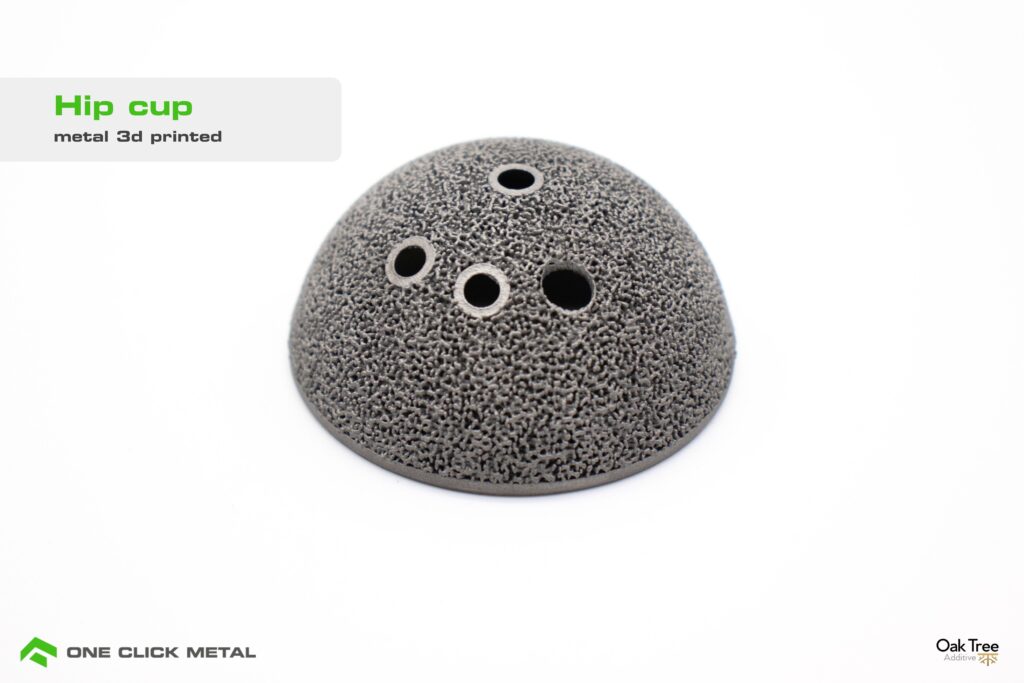
Customer: Oak Tree Additive, Tampa (USA)
Material: Ti6Al4V
Print Time: 1h 24min per part (9 parts per build plate)
Hip cups are one of the most widely adopted orthopedic 3D-printed implants. Metal additive manufacturing enables porous surfaces that support osseointegration, improving long-term stability. Oak Tree Additive uses AM to efficiently produce hip implants along with spinal, sacroiliac, and pelvic fixation devices.
Pelvic Screw: High-Volume Production of Critical Fixation Implants
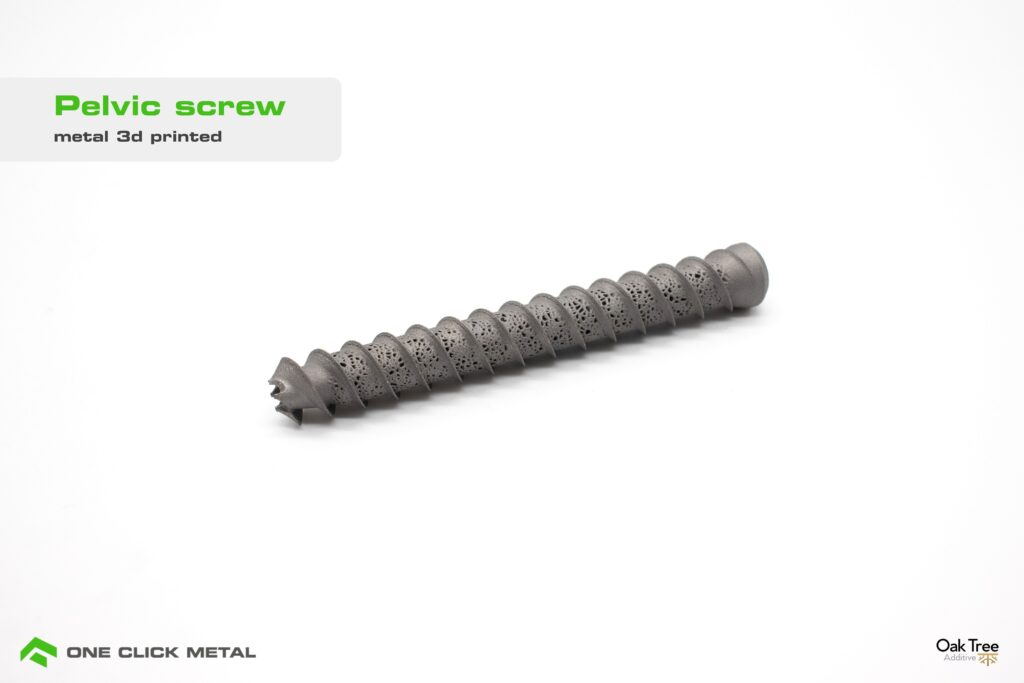
Customer: Oak Tree Additive, Tampa (USA)
Material: Ti6Al4V
Print Time: 35 minutes per part (117 parts per plate)
Pelvic screws require high mechanical strength and precision thread geometry. Metal 3D printing allows rapid batch production while maintaining consistent quality. Complex geometries can be integrated without additional machining, ensuring stable fixation for pelvic and sacroiliac fractures.
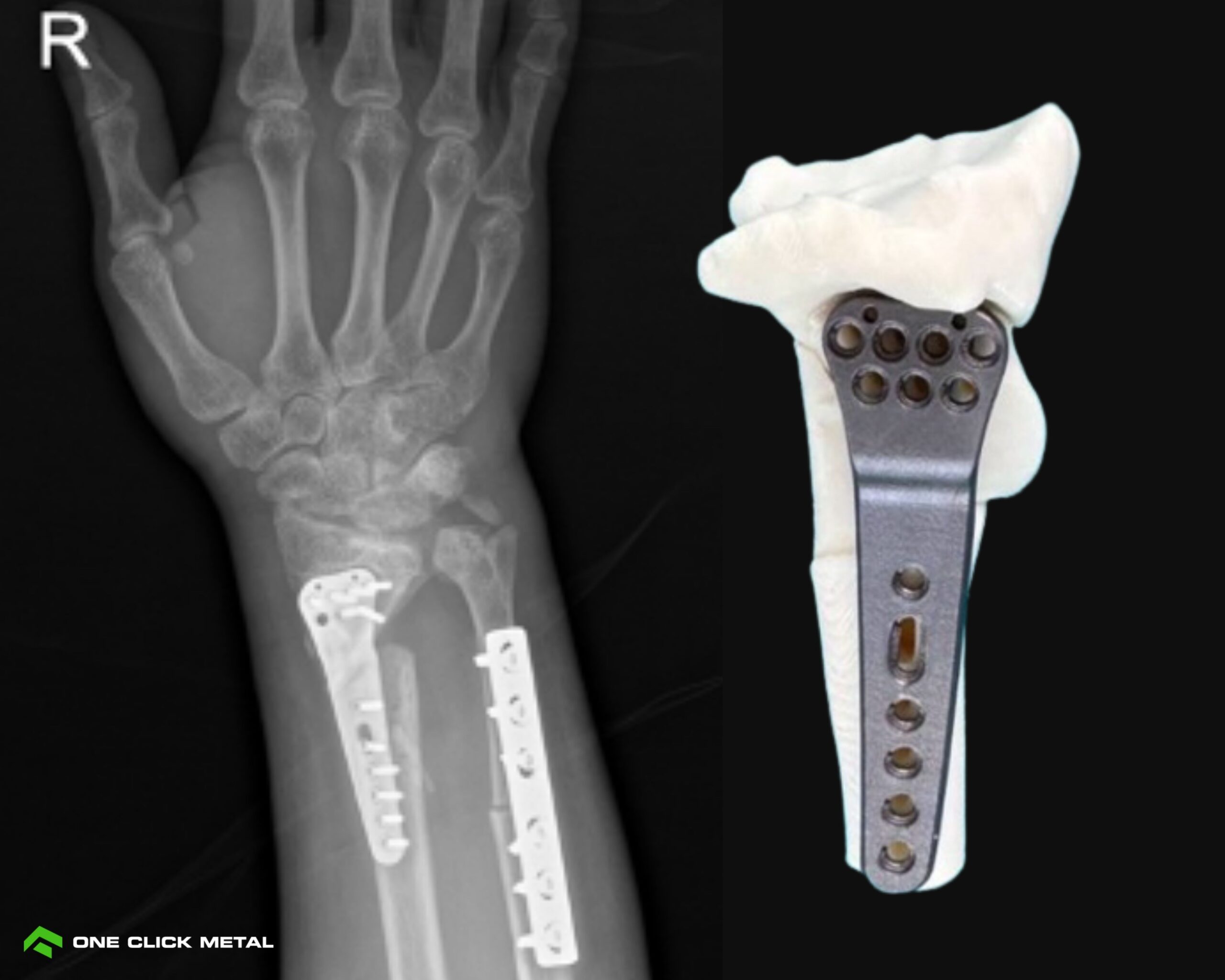
Patient-Specific Distal Radius Plate: Customized for Bone Geometry
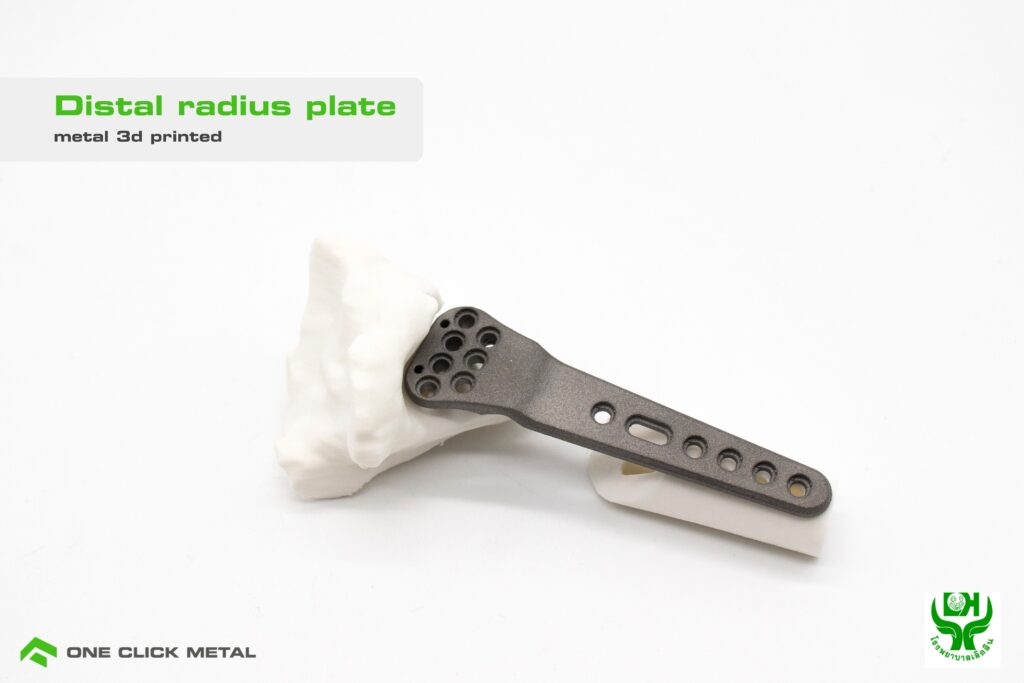
Customer: Lerdsin Hospital, Bangkok (Thailand)
Material: Ti6Al4V
Print Time: 1h 37min per part
This custom distal radius plate is tailored exactly to the patient’s wrist anatomy, an ideal case for patient-specific implants. The precise geometry improves fixation, reduces operating time, and lowers overall treatment cost.
Conclusion: Metal Additive Manufacturing Enables the Next Generation of Medical Implants
Metal 3D printing is changing how medical implants are designed, produced, and used. Your documentation demonstrates that leading hospitals and device manufacturers rely on additive manufacturing for orthopedic implants, trauma plates and pelvic fixation devices, thanks to:
- patient-specific customization
- superior osseointegration
- reduced lead times and production costs
- improved surgical outcomes
- high-performance titanium materials
As metal AM systems become more accessible, including compact, user-friendly solutions like our products, more medical teams and manufacturers can bring innovative implant designs to life.