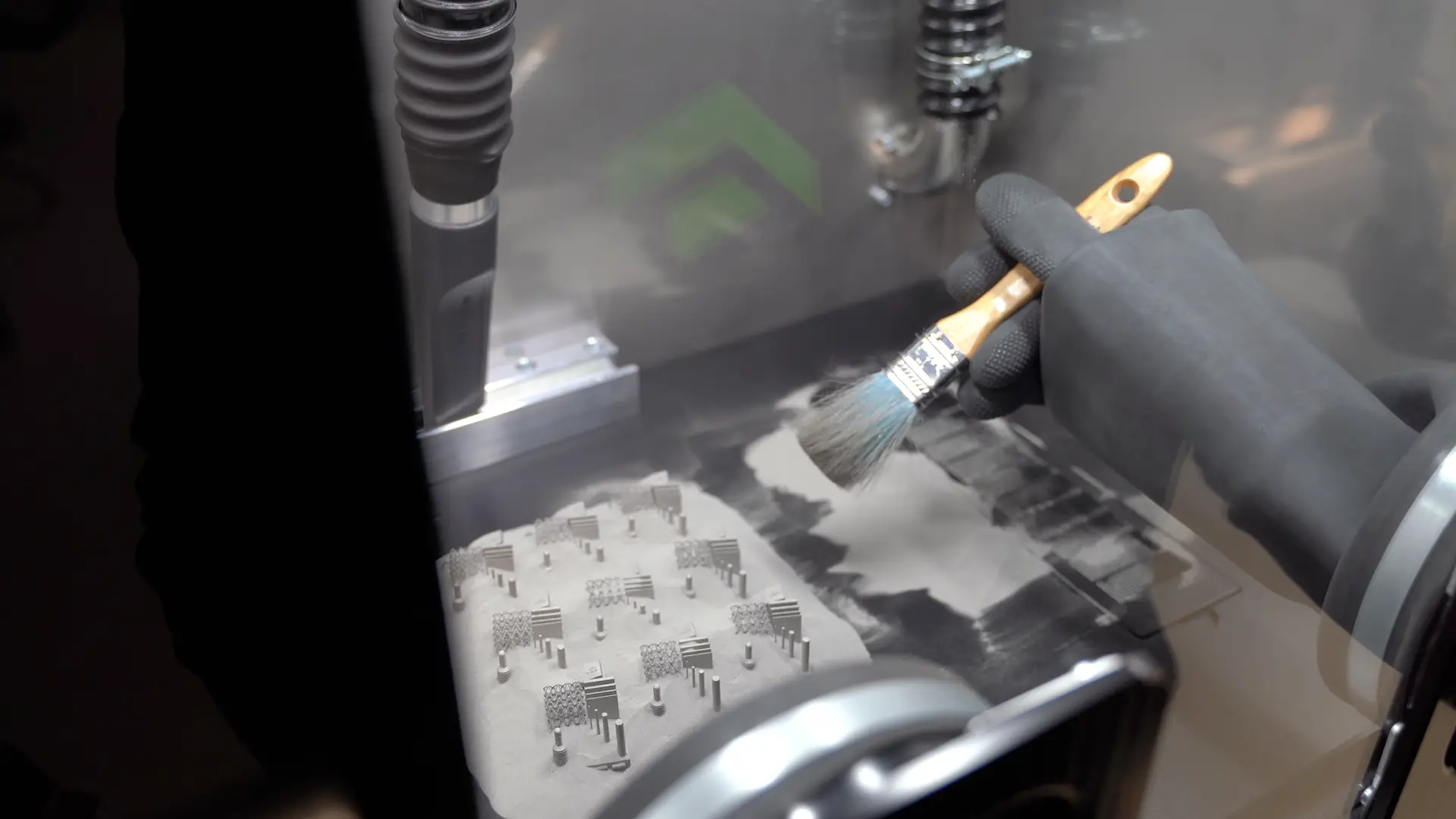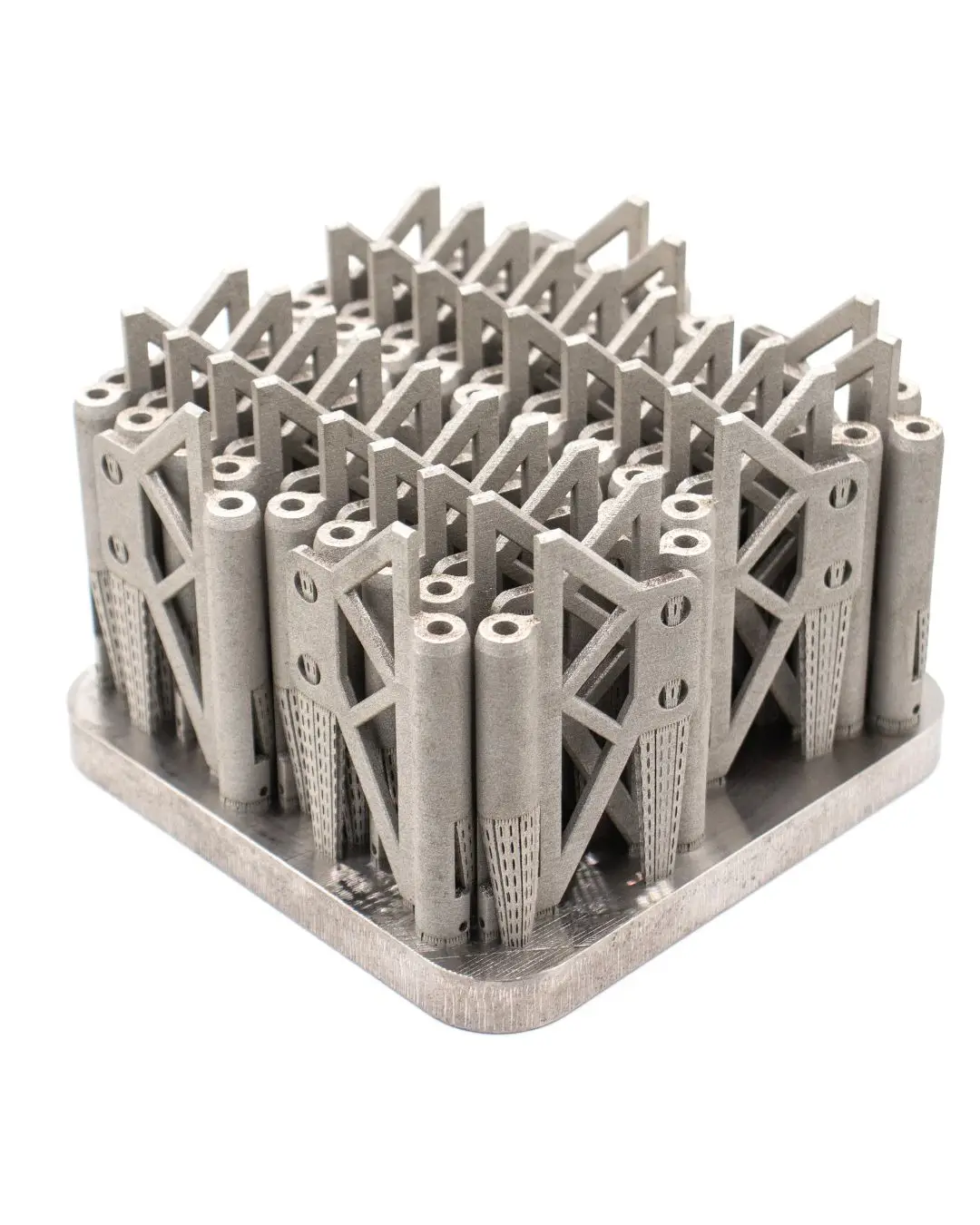
Digital dentistry has evolved rapidly in recent years, and metal 3D printing is now one of the most impactful technologies for dental laboratories. From crowns and bridges to removable partial dentures (RPDs), dental professionals increasingly rely on metal additive manufacturing to achieve faster workflows, higher accuracy, and superior fit.
Dental labs such as Frauendienst Dental Laboratory in Roth, Germany, use metal 3D printing to produce customized restorations with high precision and efficiency, ensuring improved patient outcomes and long-term durability.
Why Metal 3D Printing Is Ideal for Dental Restorations
1. High Precision for a Perfect Fit
Dental restorations must fit with micron-level accuracy. Metal 3D printing ensures consistent precision across large production batches, resulting in:
- excellent seating of crowns and bridges
- accurate occlusion
- reduced need for manual adjustments
This leads to shorter chair time and smoother workflows for clinicians and technicians.
2. Excellent Material Properties
The dental industry typically uses CoCr (Cobalt-Chrome) – a biocompatible material with high strength, corrosion resistance, and long-term stability.
CoCr is used for printed crowns, bridges, and RPD frameworks.
3. Faster and More Efficient Production
Additive manufacturing streamlines production by allowing:
- fast turnaround times
- on-demand manufacturing
- reduced waste
- optimized nests for multiple dental parts per print job
This significantly boosts productivity in modern dental labs.
4. Complex Geometries for Advanced Restorations
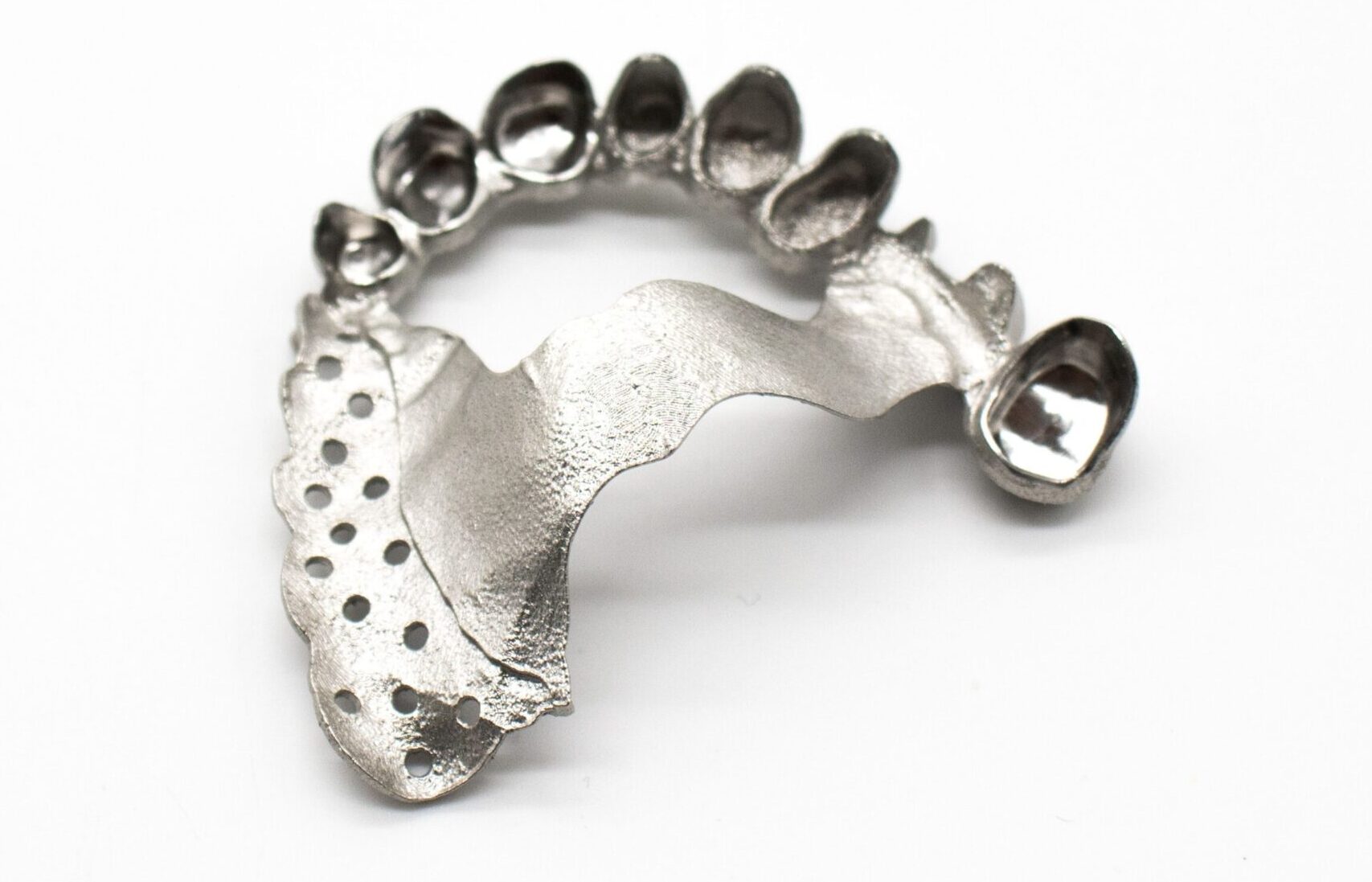
RPDs, in particular, benefit from AM because of their intricate framework design. 3D printing enables extremely fine, optimized structures that would be difficult or time-consuming to mill or cast.
Examples of 3D-Printed Dental Applications
Crowns: Precise and Durable CoCr Restorations
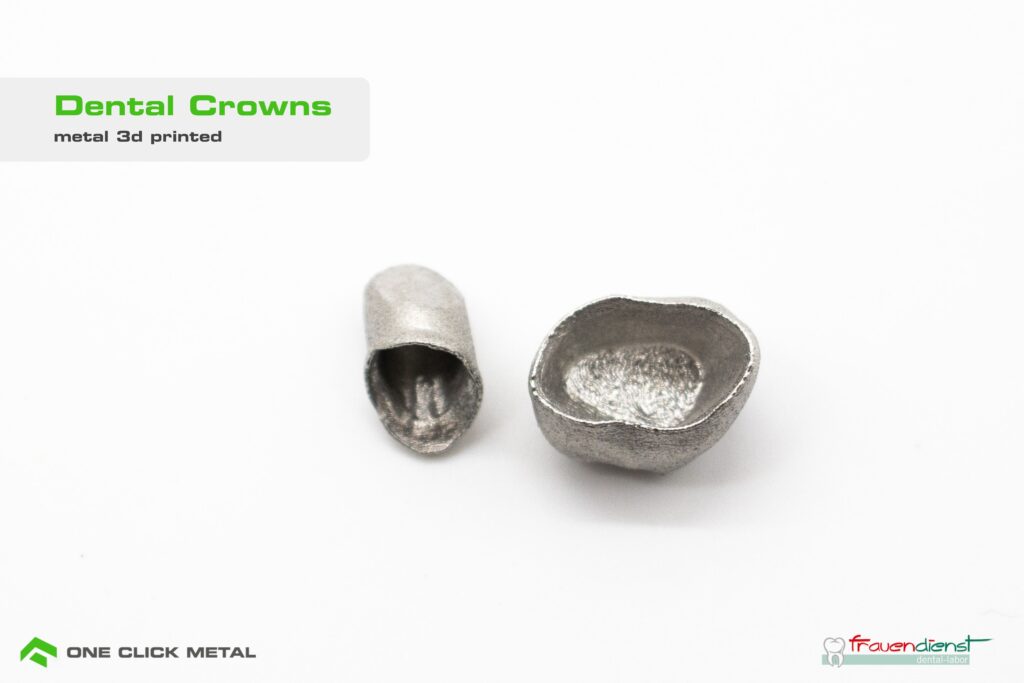
Material: CoCr
Application: Single-tooth restorations
3D-printed Cobalt Chrome crowns offer outstanding marginal fit, strength, and longevity. Dental technicians can easily customize geometry for each patient, ensuring optimal comfort and functionality.
Bridges – High-Strength Multi-Unit Restorations
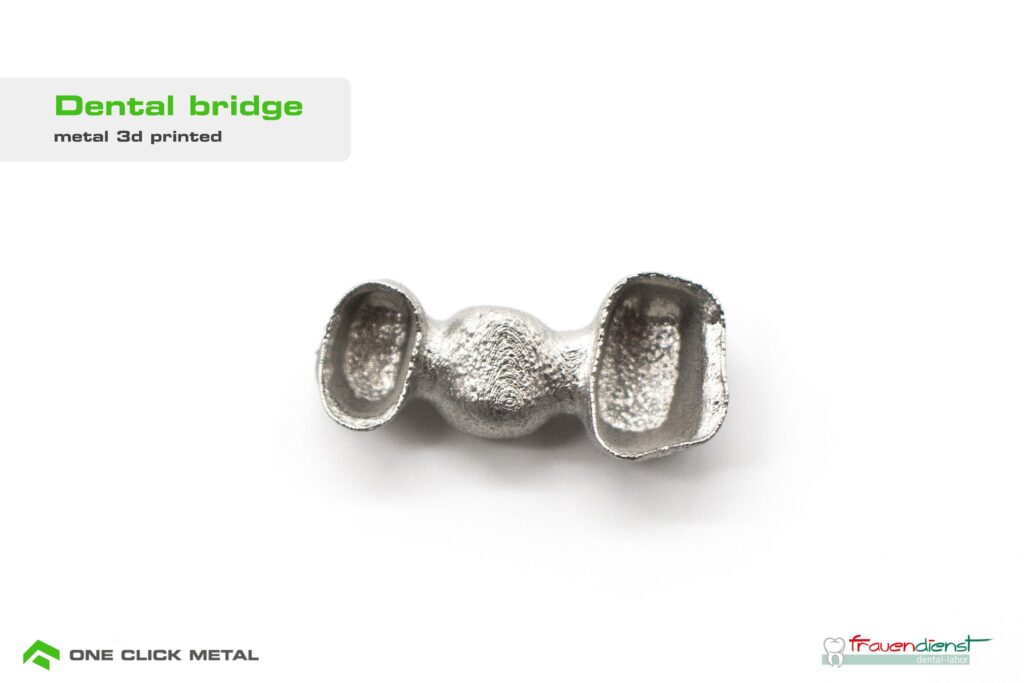
Material: CoCr
Application: Multi-unit replacements for missing teeth
Metal 3D printing allows the production of large-span bridges with complex geometry and excellent structural stability. Due to the accuracy of AM, frameworks require minimal post-processing.
RPD (Removable Partial Denture) Frameworks
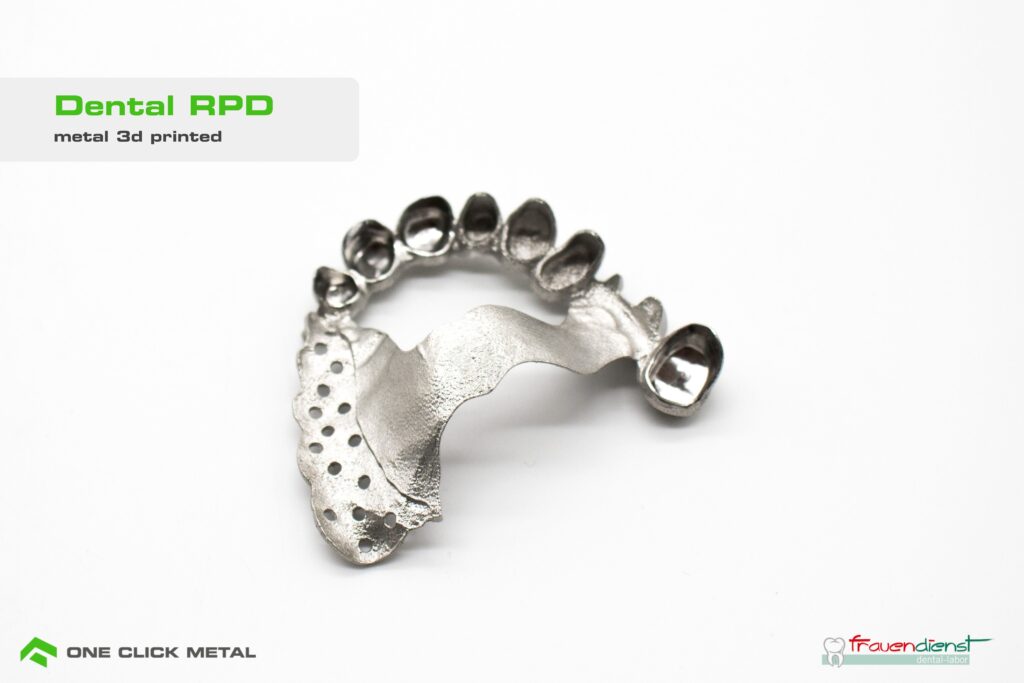
Material: CoCr
Application: Lightweight, comfortable partial denture frameworks
RPD frameworks benefit greatly from metal additive manufacturing. 3D printing enables:
- fine clasps and connectors
- thin yet strong frameworks
- highly individualized geometry
- fast production cycles
This results in improved patient comfort and reduced manual labor for dental technicians.
Conclusion: Digital Dentistry Powered by Metal Additive Manufacturing
Metal 3D printing is redefining the standards of quality and efficiency in dental technology. With its ability to produce biocompatible, precise, and highly customized restorations, it has become a cornerstone technology for modern dental laboratories.
Dental AM delivers:
- superior precision and fit
- fast and flexible production
- high-strength CoCr restorations
- improved patient comfort
- reduced manual finishing
Our metal 3D printing systems continue to make metal AM more accessible, dental labs worldwide will increasingly adopt 3D printing as a core part of their digital workflows.